Long-term effects of weight-reducing drugs in people with hypertension

The problem with PCOS went far beyond semantics: It implied the ovaries were the problem leading to decades of care siloed in gynecology when the condition actually involves the endocrine, metabolic, cardiovascular, dermatologic, and psychological systems It delayed diagnosis women without visible polycystic ovaries on ultrasound were told they didnt have PCOS, even when they had every other symptom It fragmented care patients bounced between gynecologists, endocrinologists, dermatologists, and psychiatrists because no single specialty owned a condition named after ovarian cysts It created stigma the word syndrome paired with polycystic made women feel like something was fundamentally wrong with their reproductive organs, when the reality is a whole-body hormonal and metabolic condition It limited research funding framing PCOS as a gynecological condition reduced its priority in metabolic, cardiovascular, and endocrine research The new name Polyendocrine Metabolic Ovarian Syndrome (PMOS) directly addresses these failures by: Polyendocrine acknowledging that multiple hormonal systems are involved (insulin, androgens, cortisol, thyroid, and more) Metabolic recognizing the central role of insulin resistance, metabolic dysfunction, and cardiovascular risk Ovarian maintaining the reproductive connection without reducing the condition to cysts Removing polycystic eliminating the misleading reference to cysts that dont exist as traditionally understood What PMOS Actually Is: A Multisystem Condition PMOS affects approximately 1 in 8 women more than 170 million worldwide

Some athletes who train in the evening shift their injection day to a rest day entirely, which avoids the overlap problem
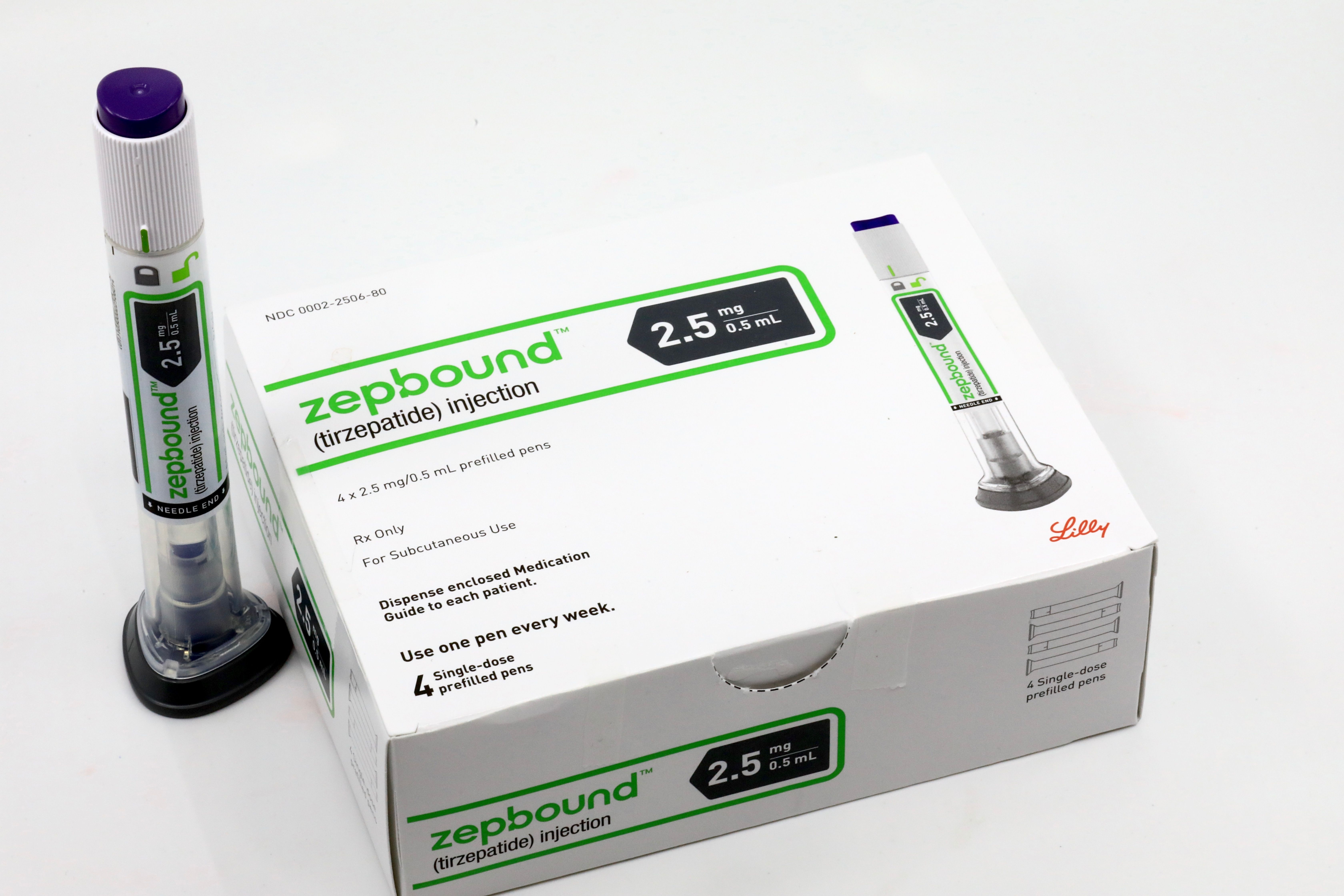
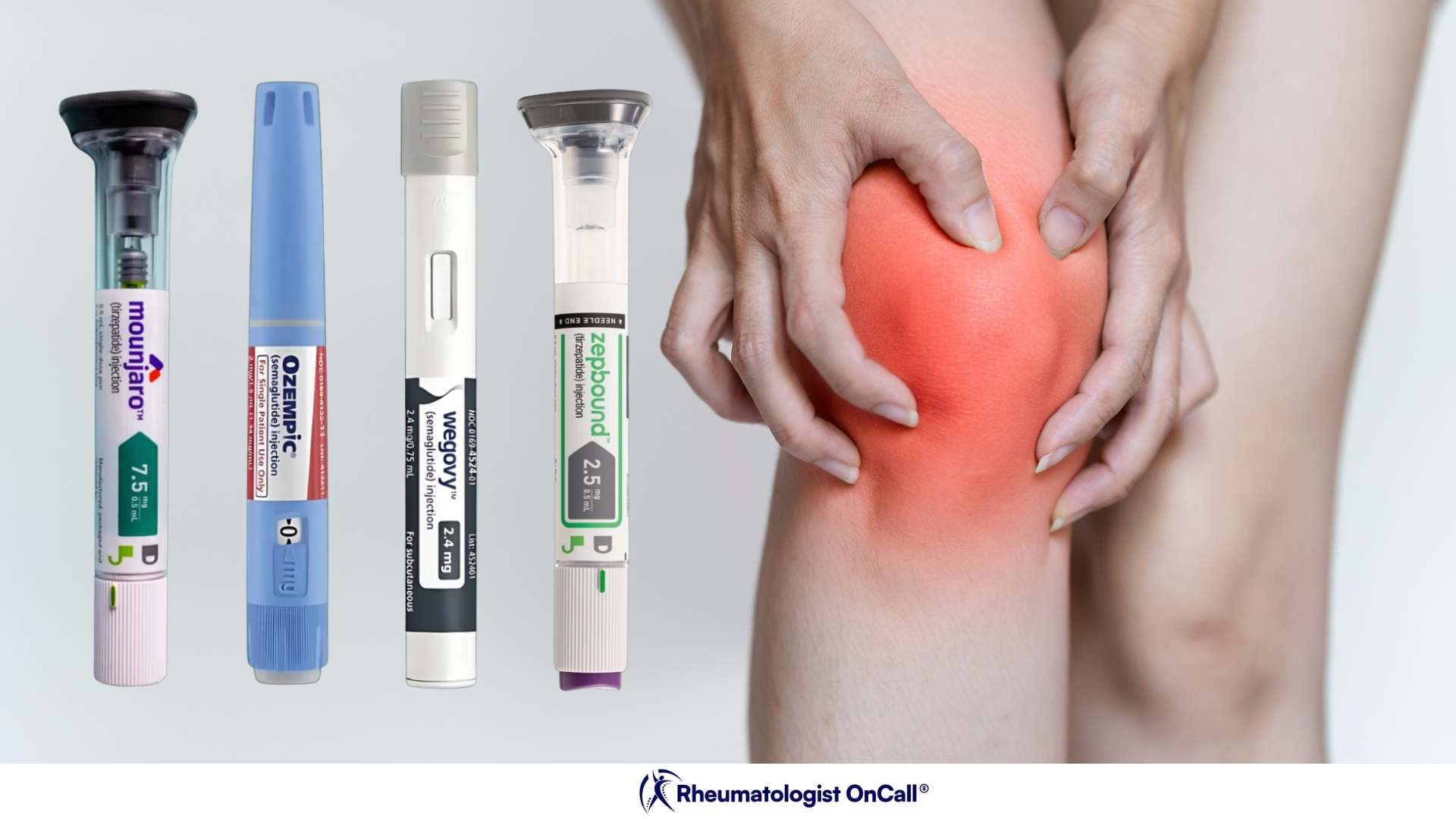
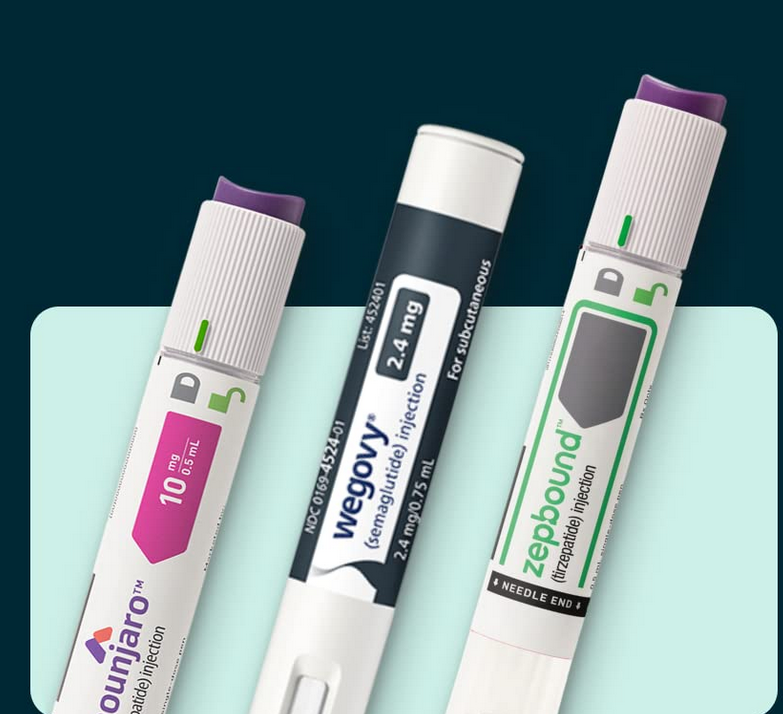
Dosage When you switch from Tirzepatide to Ozempic, your provider may need to adjust the dose based on your prior dose with Tirzepatide
Those taking the highest of three studied doses lost as much as 21% of their body weight 50-60 pounds in some cases